How Summer Air Quality Affects Your Lungs and Breathing
- Category: Blog
- Posted On:
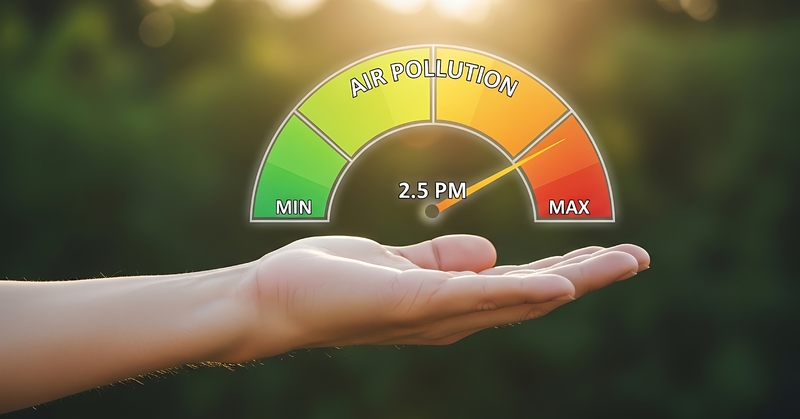
Coughing and wheezing and not sure why? The air you're breathing may be to blame.
Have you ever stepped outside on a summer day and found it uncomfortable to breathe? Maybe the air felt thick or you were coughing during a walk that normally wouldn't bother you. While you may think your symptoms are due to the heat and humidity, air quality can also play a role.
Many people are surprised to learn that air pollution can be worse during the summer. Luckily, healthy lungs can usually handle short-term exposure to pollutants and irritants in the air, but poor air quality may be a bigger problem for children, older adults and people with lung conditions.
What Makes Summer Air Quality Worse?
Several factors can negatively affect air quality during the summer months, including:
- Ground-level ozone. When pollutants from cars, power plants and other sources react with sunlight and heat, ozone can form (levels tend to be highest on hot, sunny days). Breathing ozone can irritate the lungs and may worsen asthma and other lung diseases.
- Particle pollution. Particulate matter, which consists of tiny particles floating in the air, comes from vehicle exhausts, construction sites, industrial activities and wildfire smoke. Some particles are so small that they can travel deep into the lungs. Exposure increases airway irritation and may worsen heart and lung conditions.
- Wildfire smoke. Wildfires have become more common in many parts of the country. Even if a fire is far away, smoke can travel hundreds of miles and affect local air quality. The smoke contains gases and fine particles that can irritate the eyes, nose and lungs, causing coughing, wheezing, shortness of breath and asthma.
- Pollen and allergens. There are higher levels of pollen from grasses, weeds and other plants during summer. While pollen isn't considered air pollution, it can affect breathing. People with allergies may experience more sneezing, congestion and irritated airways at this time of year.
Who Is Most at Risk?
Poor air quality can affect anyone, but certain groups are more likely to notice symptoms when air quality worsens, including:
- Children
- Older adults
- People with asthma, COPD or heart disease
- People who work or exercise outdoors regularly
5 Tips to Breathe Easier
These suggestions can help protect your lungs when air quality is poor:
- Check air quality reports. Many weather apps and websites provide daily air quality information. Pay attention to alerts, especially during heat waves or wildfire events.
- Limit outdoor activity. Schedule outdoor exercise, yard work and strenuous activities when air quality is better, often in the morning.
- Keep indoor air cleaner. Close windows and doors when outdoor air quality is poor. Use air conditioning and a high-efficiency air filter to remove particles from the air.
- Stay hydrated. Drinking enough water helps keep the airways moist and may make it easier for the body to clear irritants.
- Follow your treatment plan. If you have asthma or another lung condition, take medications as prescribed and keep rescue inhalers readily available.
Spending time outdoors is enjoyable on most summer days, but when air quality levels fall, your lungs may have to work harder than you realize. Paying attention to air quality alerts and limiting exposure as much as possible helps protect your lungs so you can breathe easier.
Copyright 2026 © Baldwin Publishing, Inc. Health eCooks® Heart Healthy Recipes® is a registered trademark of Baldwin Publishing, Inc. Any duplication or distribution of the information contained herein without the express approval of Baldwin Publishing, Inc. is strictly prohibited. Date Last Reviewed: June 18, 2026 Editorial Review: Andrea Cohen, Editorial Director, Baldwin Publishing, Inc. Contact Editor Medical Review: Perry Pitkow, MD
Learn more about Baldwin Publishing Inc. editorial policy, privacy policy, ADA compliance and sponsorship policy.
No information provided by Baldwin Publishing, Inc. in any article is a substitute for medical advice or treatment for any medical condition. Baldwin Publishing, Inc. strongly suggests that you use this information in consultation with your doctor or other health professional. Use or viewing of any Baldwin Publishing, Inc. article signifies your understanding and agreement to the disclaimer and acceptance of these terms of use.